My Fiancée Didn’t Want My Daughter at Our Wedding — What She Finally Admitted Left Me Speechless….
Sarah has been mine since she was four years old.
I want to say that plainly because it’s the foundation of everything. She is my daughter in every way that matters. I was the one who stayed up with her through ear infections and nightmares. I was the one holding her hand on her first day of kindergarten when she cried in the car and I cried the whole way home after dropping her off. My late wife Claire and I chose her. We drove four hours to meet her, held her for the first time in a room that smelled of hospital cleaner, and knew instantly she was ours.
Claire died when Sarah was seven. That year nearly broke me, but it also cemented the bond between Sarah and me. We survived it together.
She has called me Dad from the very beginning. Nothing else.
I met Nora at a professional conference three years ago. She was thirty-six, sharp, honest, and direct in a way that felt refreshing. From our very first date, she asked about Sarah and genuinely wanted to know her.
Their first meeting was at a restaurant. Nora got down to Sarah’s eye level — Sarah was nine then — and said, “I heard you’re really into graphic novels. I just read *Smile* and I need someone to talk about it with.”
Sarah’s face lit up. “Did you know the author based it on her real braces experience?”
They talked for forty minutes straight. I sat there watching them and knew something special was happening.
Over the next few years, Nora became part of our family naturally. She showed up for school plays, helped with homework, and even had healthy disagreements with Sarah. When I proposed, Sarah was in the next room. She had told me earlier, “It’s about time, Dad.”
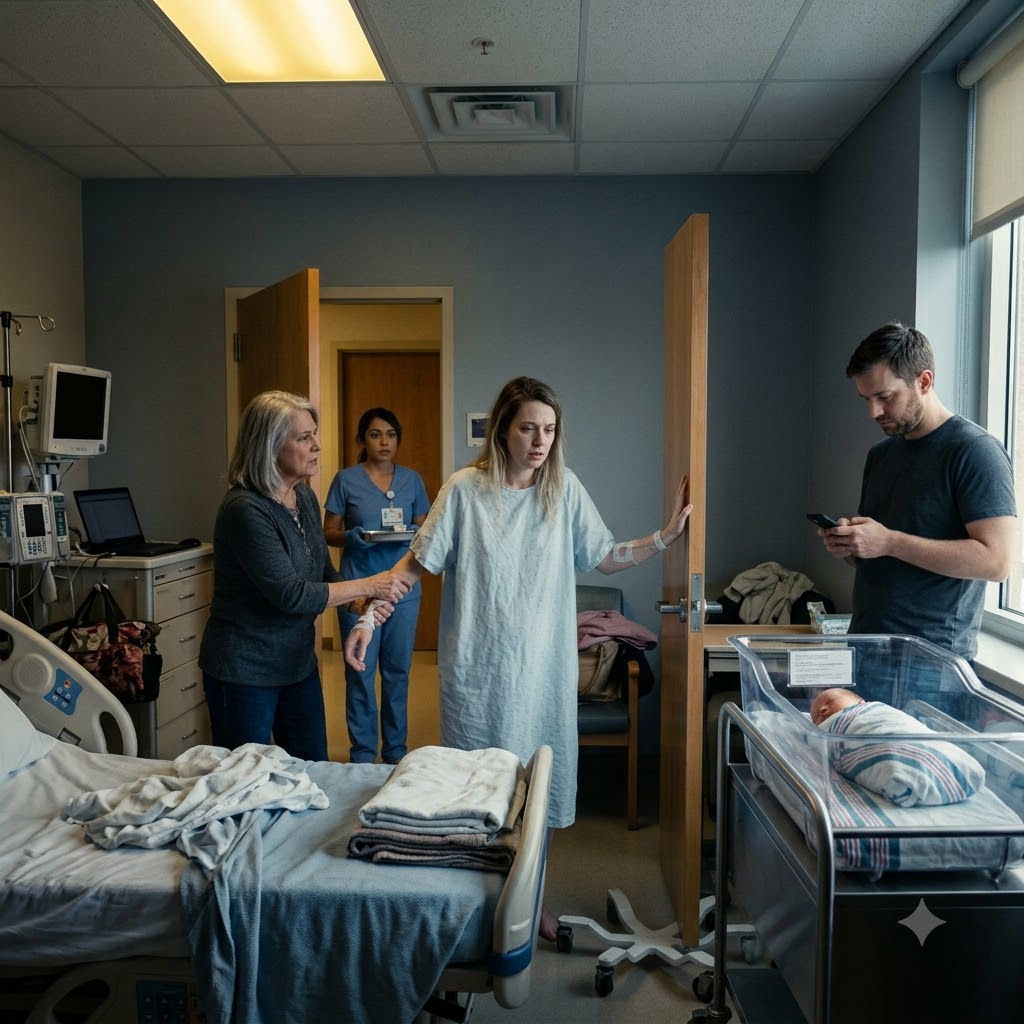
The flower girl conversation happened on a random Tuesday evening.
Nora casually mentioned her six-year-old niece Lily should be the flower girl. I agreed, then added, “Sarah has been dreaming about this since we got engaged. She can be a flower girl with Lily.”
Nora’s face changed instantly.
“I don’t think Sarah is the right fit for that role,” she said quietly.
I froze. “She’s my daughter. Of course she belongs.”
“I don’t think Sarah should be at the wedding at all.”
I stared at the woman I was supposed to marry in four days, trying to understand where this was coming from.
“This is my day too,” she continued. “I should have a say in the guest list.”
“You’re calling our daughter a guest list decision?”
“If you insist on her being there, I’d rather postpone the wedding.”
I left the house without yelling. I just couldn’t stay in that kitchen anymore. I drove straight to Sarah’s school and picked her up, trying to keep my face normal. On the way home she chatted about her history project and her friend Maya, then said happily, “Dad, I can’t wait for the wedding. I think I’ll look really pretty in whatever dress Nora picks.”
That night we stayed at a hotel. I told Sarah it was a little adventure. At midnight, I got a text from Nora’s mom: “You’re overreacting. Sarah doesn’t need to be at the wedding.”
( End of Part 1 )
Read Part 2 of the story in the first comment below
👇👇👇
The next morning I dropped Sarah at school, then went home. Nora was in the kitchen, eyes red from crying, gripping a coffee mug like it was a lifeline.
“Explain to me why you don’t want Sarah at our wedding,” I said.
Nora was silent for a long moment. Then she set the mug down.
“If I tell you, you might not understand.”
“Try me.”
Seven years ago, before she met me, Nora had been married. She had told me the marriage was short and ended badly, but she had never shared the full story.
They had a daughter. Mia.
Mia was born premature at thirty-one weeks. Nora spent weeks in the NICU, terrified but full of hope. Mia came home and was perfect — growing, laughing, reaching for her mom with total trust.
Then at eighteen months, Mia got sick. Seven months later, Nora held her daughter in a hospital room as she passed away at just two years old.
The marriage didn’t survive the loss. Nora spent years in therapy, rebuilding herself piece by piece. She joined a support group for mothers who had lost children. She reached a place where life was livable again.
Then she met me. And Sarah.
“She’s twelve,” Nora said, her voice breaking. “The same age Mia would have been right now.”
I sat down hard.
“I knew it from the first time I met her,” Nora continued. “I did the math in my head immediately. I chose this anyway because Sarah is amazing and you’re amazing. But the wedding… standing there making the biggest promise of my life while looking at a beautiful twelve-year-old girl who is alive and healthy… I was terrified I would fall apart in front of everyone. I panicked and said the wrong thing. I’m not rejecting Sarah. I’m terrified of myself and what I might not be able to hold together.”
She cried quietly. “I should have told you years ago. I was scared you’d see me as broken… as someone who couldn’t be what Sarah needs.”
I felt a wave of grief for her, then anger that she had carried this alone, then a deep, complicated love.
“Why didn’t you tell me sooner?” I asked.
“I was afraid you would look at me differently.”
We sat in silence for a while. Then I told her about my own grief — how when I look at Sarah, I sometimes see Claire too. Both. Always both.
“We’ve both been carrying things alone that we didn’t have to,” I said. “That has to change.”
I laid out what would happen next: Sarah would be at the wedding as a flower girl. No discussion. We would call her therapist that same day. We would get real support.
Nora agreed.
We had several therapy sessions before the wedding. Nora spent time alone with Sarah and told her about Mia. Sarah, wise beyond her years, listened and later told me, “She misses her daughter. I told her it made sense to feel sad and happy at the same time. She asked if I could carry something of Mia’s in my bouquet. I said yes.”
Our wedding was beautiful. Sixty-two people in a garden venue with string lights. Sarah and Lily walked down the aisle together. Sarah wore the dress she chose and carried a small bouquet with a thin gold bracelet woven into it.
When Nora saw her, she let herself feel everything — the joy and the grief — without falling apart. She looked at me over Sarah’s head with the most honest expression I’ve ever seen.
We got married.
At the reception, Nora’s mom apologized to me. “I was trying to protect her the wrong way.”
In the years since, we’ve continued therapy. Nora talks about Mia naturally now. Every year on Mia’s birthday, we have a small, quiet moment together as a family — Sarah chooses to participate.
Sarah is fifteen now. She and Nora argue over TV shows, recommend books to each other, and cook together. Last month Sarah said to me casually, “I’m really glad you married Nora.”
“Me too,” I told her.
She smiled. “She’s good people, Dad. So are you.”