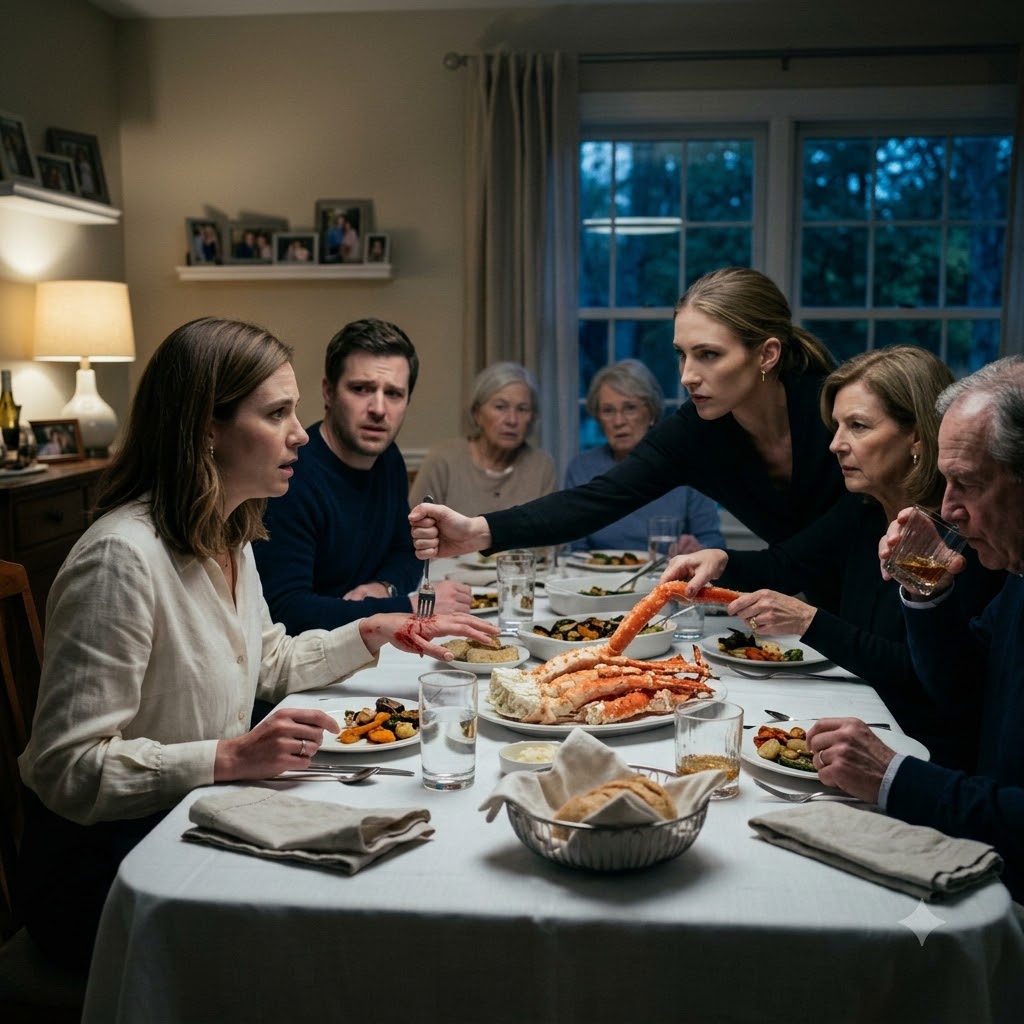
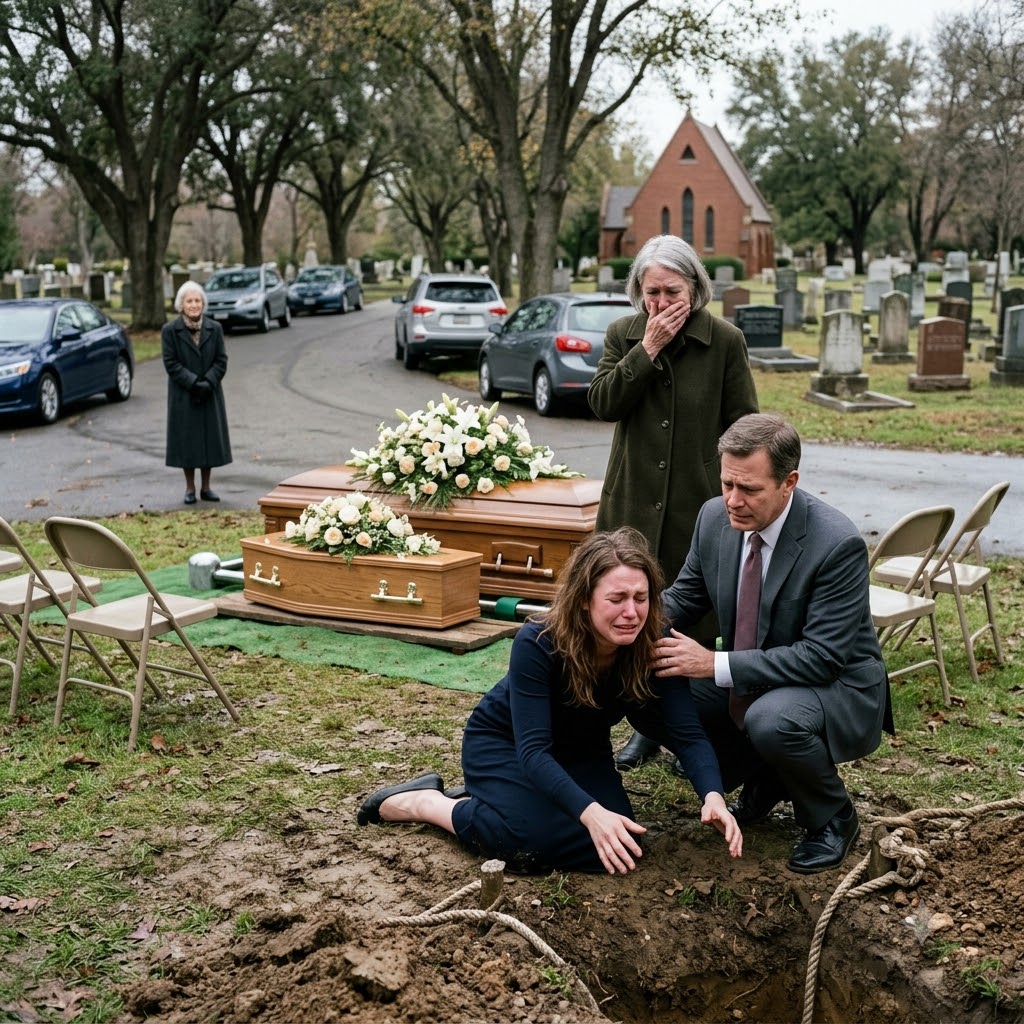
I married a café waitress just to push back against my controlling parents — but on our wedding night, she caught me off guard with a strange warning:
“Promise me you won’t scream when I show you something.”
My parents were extremely wealthy. The kind who believed their money gave them the right to decide every part of my life, especially who I married.
When I turned thirty, my father gave me a cold ultimatum over dinner.
“If you’re not married by thirty-one,” he said, “you’re out of the will.”
For years they pushed me toward the daughters of their rich friends — polished, perfect women who seemed more interested in our last name than in me. Nothing ever felt real.
Then, two months before my thirty-first birthday, I walked into a small downtown café. The waitress serving me was different. Genuine. Warm. Nothing like the women my parents kept throwing at me.
Her name was Claire.
On her break we sat on a park bench and I told her everything — the pressure, the deadline, the inheritance hanging over my head. Then I made her an offer.
A marriage on paper. One year of pretending for my parents. Then a quiet divorce. In return, I would pay her a substantial amount of money.
Claire listened carefully. She asked only two questions.
“Will there be a contract?”
“Yes.”
“And can I tell my parents I’m actually getting married?”
“Of course.”
That night she texted me: “I’m in.”
A month later we stood at the altar. My parents hosted the wedding at their country club. They were polite on the surface, but their disapproval of Claire’s background was impossible to miss. Claire’s own parents sat quietly, simply happy for their daughter. That contrast stayed with me the entire evening.
After the reception I brought her home and showed her the guest room.
“I’ll stay in another room,” I said. “We’ll only act like a real couple when my parents are around.”
She nodded. Then she slowly reached into her purse.
“Promise you won’t scream when I show you this.”
A knot tightened in my stomach.
“What do you mean?”
( End of Part 1 )
Read Part 2 of the story in the first comment below
👇👇👇
She pulled out a faded photograph, the edges soft with age.
A little girl stood beside a woman in an apron. The background hit me like a punch to the chest. It was the pool behind my childhood home. The same yard where I had spent long, lonely summers as a boy.
The woman in the apron was Martha.
I stood frozen.
Martha had been our housekeeper for years when I was a child. She was the one who quietly slipped me cookies when my parents weren’t looking. The one who stayed by my bed through feverish nights when my parents were out at parties. She was the closest thing to real warmth I had known growing up.
Years ago my mother accused Martha of stealing a bracelet. The accusation was swift and final. Martha was fired without a real investigation. Her reputation and livelihood were destroyed overnight.
Claire looked at me quietly.
“Martha is my mother.”
My chest tightened as the memories flooded back.
What I later learned filled in the part of the story I had never been told. My mother eventually found the bracelet. It turned up in a place that made the accusation impossible. But Diana never apologized. She never called Martha. She never tried to fix what she had done. The injustice simply stayed buried.
Martha lost her income, her good name, and the stability she had built for her family — all because of a false accusation that was never corrected.
Claire had not agreed to the marriage only for the money.
She had wanted to see for herself what the quiet, lonely boy her mother once cared for had become. She wanted to know whether I had turned into the same kind of people my parents were… or whether I had found a different way.
That was the real reason she said yes.
The next morning Claire and I went to the country club. We found my parents and told them the full truth in front of the people they spent their lives trying to impress. The false accusation. The bracelet that had been found and never spoken about. The years Martha spent rebuilding her life after being discarded.
My mother’s face moved through several expressions that never quite reached remorse. My father said almost nothing.
For the first time in my adult life, I did not try to make the situation comfortable for them. I did not soften the edges. I simply said what was true.
Then I walked away from the inheritance.
I walked away from the will, the expectations, and the future my parents had carefully designed for me since childhood.
Later that afternoon, as Claire and I walked through ordinary neighborhood streets that felt more honest than any marble hallway I had grown up in, she reached into her bag and handed me a cookie made from her mother’s recipe.
I ate it in silence.
I was thinking about a little boy in a cold house, eating cookies in the kitchen with a housekeeper who had no obligation to care about him and chose to anyway. I was thinking about the kind of love that never announces itself, that never keeps score, that simply shows up and stays.
My parents had spent decades teaching me that love was something you proved through status, property, and the right kind of people.
Martha had known something different.
She had known it the night she sat beside a sick child while his parents were at a dinner party. She had known it every time she slipped him something warm without making a production of it.
Love was never something my parents could put in a will or take away.
It had been in their kitchen the whole time — belonging to someone they believed was beneath them.
I chose that.
I chose it over the marble floors, the country club weddings, and the life that had been written for me by other people’s expectations.
And in doing so, I finally found a life that actually belonged to me.