I still can’t walk through a farmers market without my stomach twisting into knots. That humid Saturday morning in suburban Atlanta, the air thick with the scent of fresh-cut stems and damp earth after overnight rain, I watched my eight-year-old daughter Sophie drop to her knees on the dusty concrete. Bright yellow petals scattered like broken promises around her small hands.
My heart stopped.
A sharply dressed woman in heels — the kind of planner who organized million-dollar weddings for Buckhead clients — stood over her, ice in her voice. “Move your trash.”
Sophie clutched the torn pink ribbon, her voice cracking with desperation. “It’s for my mom… she asked for yellow ones.”
I should have stepped in sooner. But I froze, just like I had for the past two years while cancer ate away at my wife, Rachel.
The old flower seller across the stall, Mr. Harlan — a weathered man in his seventies who’d run this corner for decades — suddenly straightened. His eyes locked on the ribbon. “Let me see that,” he said, voice low.
The planner’s smile turned sharp. “Don’t help her. She’s wasting everyone’s time.”
But Mr. Harlan stepped closer anyway, his calloused fingers brushing the fabric. His face went pale. “That’s a hospital room number.”
Sophie looked up at me, tears streaming. “Daddy… Mom’s waiting.”
That’s when everything shattered.
—
My name is Ryan Thompson. Two years ago, life was almost normal. I worked construction in Atlanta, Rachel taught third grade, and Sophie was just a happy kid who collected dandelions from our backyard. Then Rachel’s diagnosis hit — stage three breast cancer. The bills buried us. I picked up extra shifts, sold my truck, and we moved into a cramped apartment near the hospital. Rachel fought hard, but the chemo drained her. Her one request through it all was simple: yellow flowers. They reminded her of our first date, when I’d shown up with a fistful of sunflowers from a roadside stand.
That morning, I’d scraped together twenty dollars — all we had left after rent and medications — and brought Sophie to the farmers market so she could pick them herself. She wanted to surprise her mom before Rachel’s latest round of treatment. I thought it was a small thing. A moment of joy in the middle of hell.
I never expected it would rip our family apart even more.
The planner — her name was Vanessa, I’d learn later — huffed impatiently. “These aren’t for some charity case.” She tried to walk away, but Mr. Harlan grabbed the card from her hand. The same hospital room number. The same order Rachel had placed weeks ago when she still had a little strength to call.
“You took her mother’s flowers,” Mr. Harlan whispered, anger rising. “And sold them to someone else for more money.”
Vanessa went white. “That’s ridiculous. I have a client who—”
Sophie looked up at me, confused. “Daddy… Mom paid?”
The silence that followed was heavier than any hospital waiting room I’d ever sat in. I felt the ground shift under my feet. All those nights Rachel had whispered she was sorry for the burden. All those times I’d promised her I’d make things beautiful again. And now this.
I stepped forward, my voice shaking with a rage I’d buried under exhaustion for months. “You stole flowers meant for my dying wife… so you could flip them for profit?”
Vanessa backed up, but the crowd was forming. Other vendors watched. An older woman selling honey stepped closer. Mr. Harlan’s hands trembled as he knelt beside Sophie, gently gathering the broken stems.
“Your mom wanted to surprise you, sweetheart,” he said softly. “She didn’t forget. She fought to order these even when she could barely hold the phone.”
Sophie’s lips trembled. “She said she might sleep soon… I didn’t want her to wake up alone.”
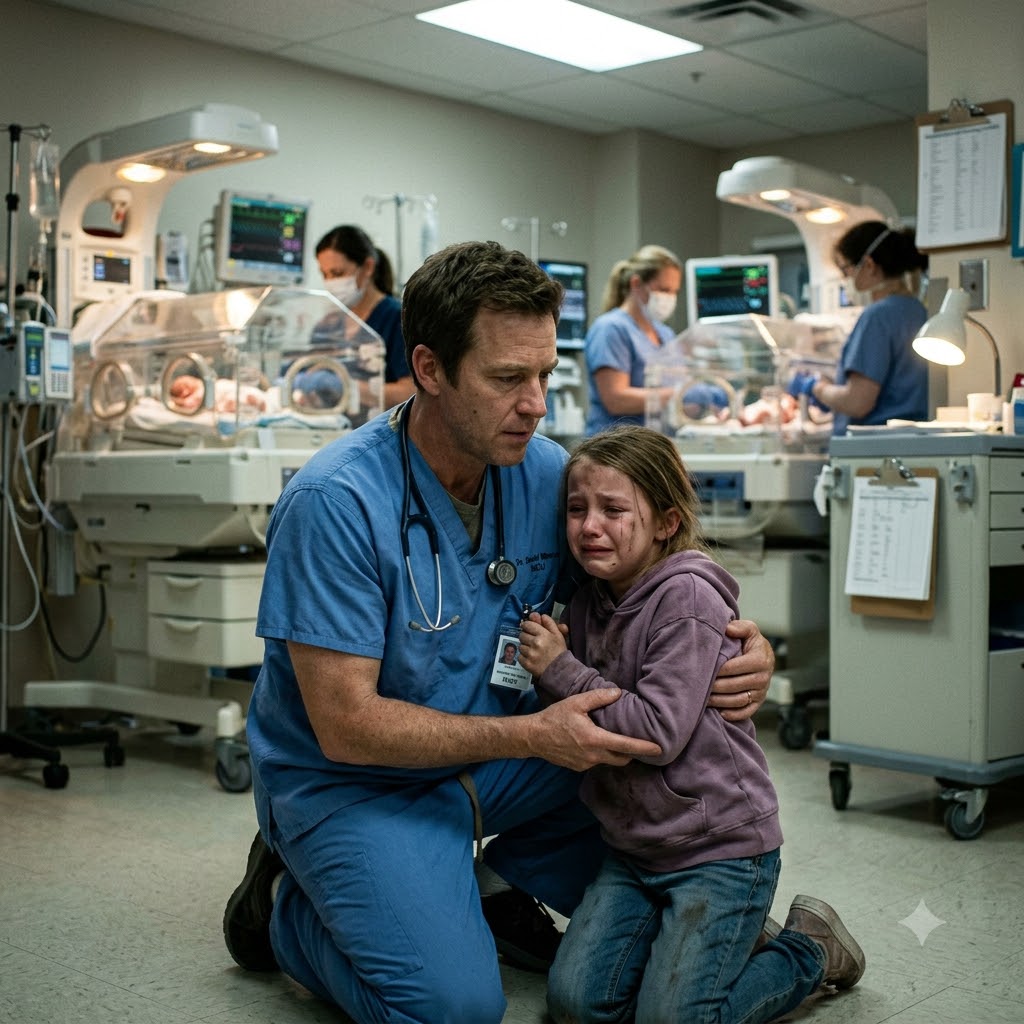
That broke me. I dropped to my knees beside my daughter, pulling her into my chest as sobs wracked her small body. The guilt I’d carried — for not noticing Rachel’s pain sooner, for failing to keep us financially stable, for every argument where I’d snapped at her out of fear — flooded out. I had become so focused on survival that I’d let the beauty drain from our lives.
Mr. Harlan didn’t say another word. He swept every yellow flower from his stall — roses, daisies, sunflowers, tulips — into his arms until it was more than Sophie could carry. One by one, every vendor around us joined in. Bunches of bright blooms piled up. The entire market turned its back on Vanessa, who stood frozen in her expensive shoes, exposed.
I watched it all through blurred vision, my daughter’s tears soaking my shirt.
……………………………………………
Dear readers, continue reading Part 2 of this story in the comments below 👇👇👇
We walked out of that market carrying armfuls of sunshine. Sophie held her bouquet like it was made of gold, and for the first time in months, there was a spark of real hope in her eyes. On the drive to the hospital, she kept whispering to the flowers, telling them they were going to make Mommy smile.
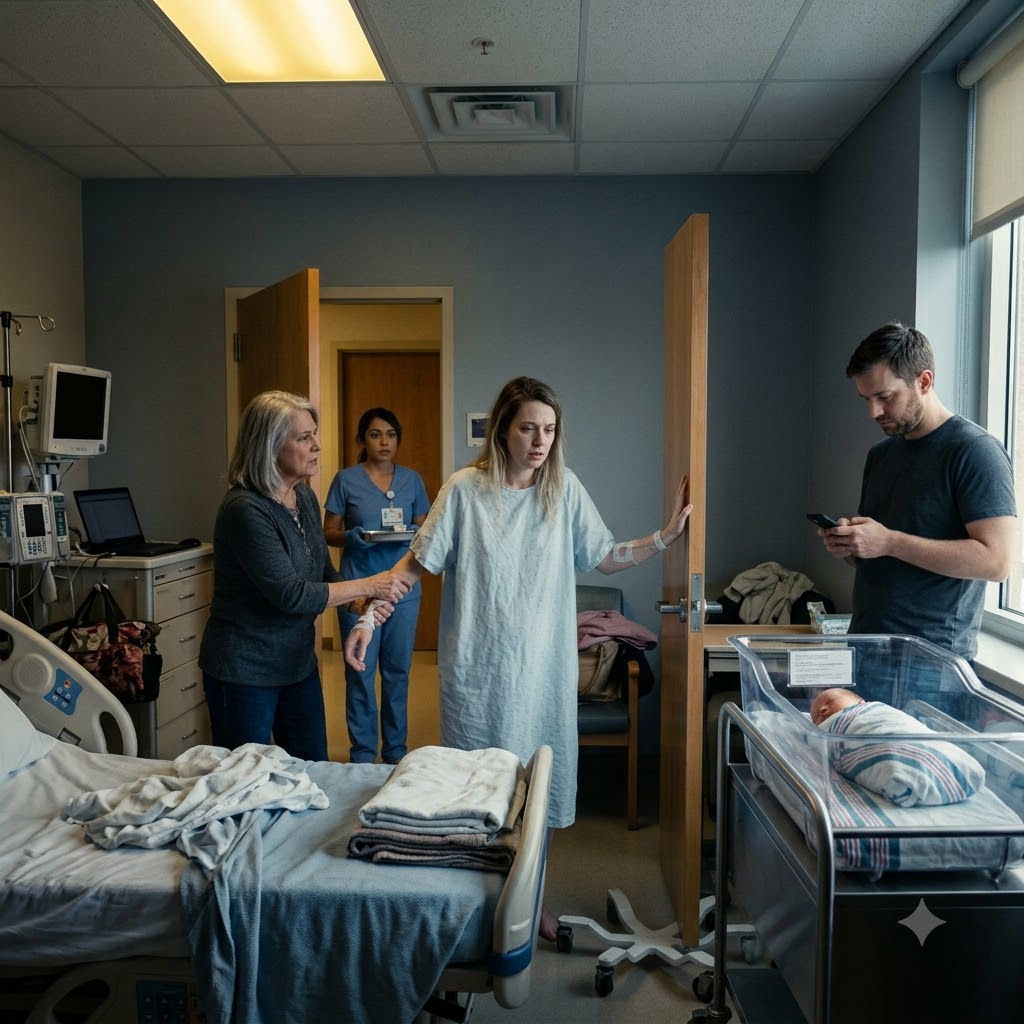
When we entered Rachel’s room, the scent of fresh blooms filled the sterile space. Her eyes lit up — weak, but real. She reached for Sophie’s hand, tears slipping down her cheeks. “You remembered,” she whispered.
I stood back, watching them, my chest tight with everything I hadn’t said. Later that evening, after Sophie fell asleep in the chair beside her mom, Rachel looked at me. Her voice was faint but clear. “Ryan… I know how hard it’s been. I heard about what happened at the market.”
I broke down then, sitting on the edge of her bed, confessing every fear, every resentment I’d hidden. How I’d felt like a failure as a husband and father. How the money struggles had poisoned our marriage long before the cancer. How I regretted every time I’d shut down instead of holding her closer.
She squeezed my hand. “We both made mistakes. I pushed you away because I was scared of leaving you two alone. But look what you did today.”
The real twist came two days later.
Vanessa showed up at the hospital. Not in her designer clothes this time, but in plain jeans, eyes red from crying. She stood awkwardly in the doorway, holding an envelope. “I… I can’t undo what I did. But I sold those flowers to a wealthy client for a big event. I made three hundred dollars extra.” She placed the cash on the table. “It’s yours. All of it. I’m so sorry.”
I wanted to hate her. Part of me still did. But as she explained her own pressures — a struggling business, a sick parent, the fear of losing everything — I saw the mirror of my own flaws. We weren’t so different. Just people breaking under weight.
I didn’t take all the money. We split it. Some went to Rachel’s medical bills. Some I gave back to the market vendors as thanks.
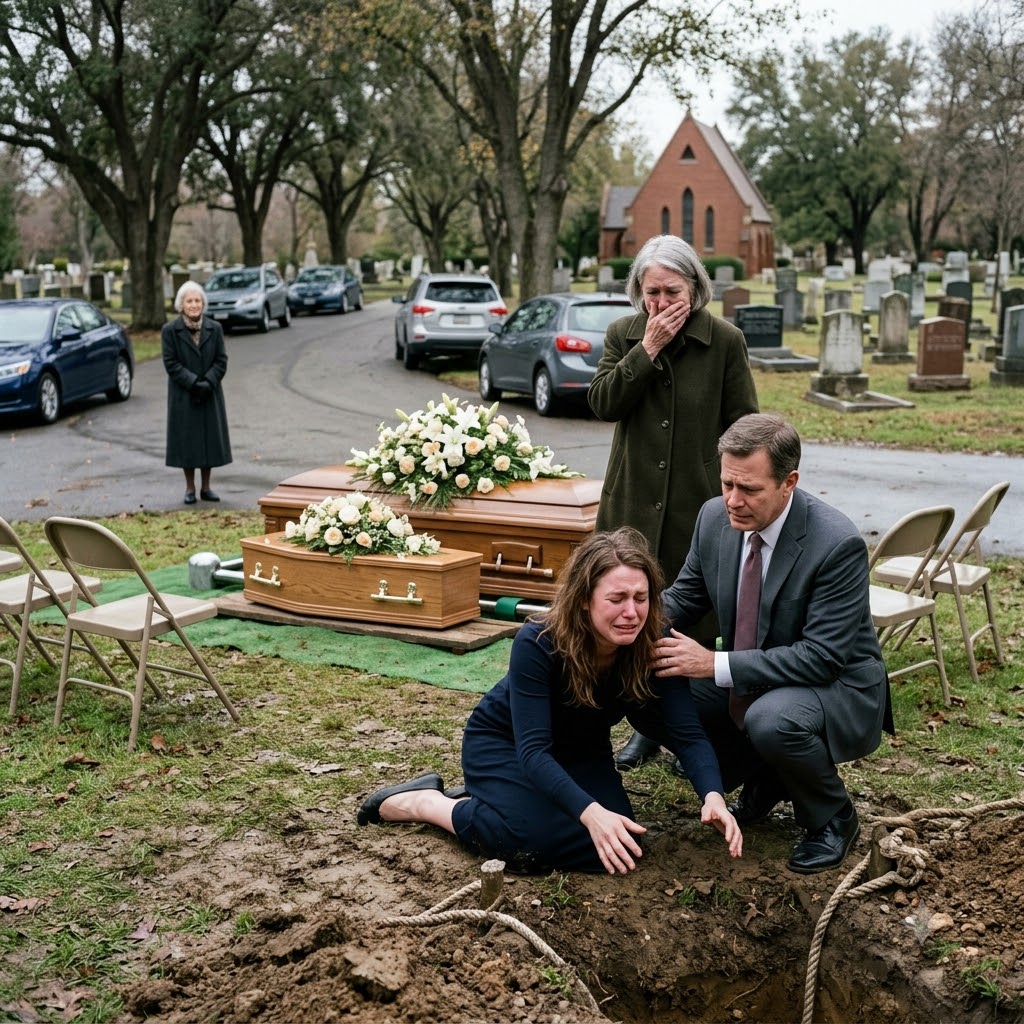
Rachel fought for three more months. She passed peacefully one quiet night, surrounded by yellow flowers we replaced every week. Sophie and I still visit her grave with a single sunflower.
Mr. Harlan still runs his stall. Sometimes I take Sophie there on weekends. The vendors always greet her with extra blooms.
I’ve learned that family isn’t just blood and shared roofs. It’s the moments we choose kindness when life tries to crush us. It’s the guilt that teaches us to love better. It’s showing up, even when everything hurts.
Rachel’s final words to me were, “Don’t let our story end in regret.”
So every morning, I wake up and choose to carry the sunshine for Sophie. Some days it’s heavy. But it’s worth it. Because in the end, love — real love — doesn’t get crushed. It gets passed on.
Even when the petals fall.