My Husband Vanished With Me in San Diego… 12 Years Later He Showed Up With a New Wife and a Completely Different Name……
I had been dreading this question for eleven long years. When the apartment door in San Diego opened, the man in the dark suit stood there holding up a badge, staring straight into my eyes. A heavy silence stretched between us. Then he asked, “Are you Michael Harlan?”
There was no running anymore. I nodded slowly. “Yes… I’m Mike.”
That was the moment I knew it was finally over—the ending I had seen coming ever since that fateful night of May 22, 2009, when I lost everything.
—
The trip had been my idea. I wanted to do something special for Hannah to celebrate our second wedding anniversary. I was a software engineer in Houston, she worked in banking. We were both swamped with work and life, so I thought a getaway to San Diego would be perfect. I booked a hotel right by the Pacific Beach, planned seafood dinners, sunset walks, and strolls through the Gaslamp Quarter. I even posted a photo of us on the beach with the caption: “Two years of pure happiness.” I had no idea it would be the last time the world saw both of us together.
That evening, we left the hotel around 6:30, holding hands, heading toward downtown. I can still remember how warm her hand felt in mine and the way she smiled in the golden light. But as we got closer to the hotel on the way back, Hannah suddenly stopped and looked at me with an expression I’d never seen before.
“Mike,” she said quietly, “I want a divorce.”
I thought I’d misheard her. “What?”
“I’m in love with someone else. I don’t want to keep doing this anymore.”
Her words hit me like a knife to the chest. I couldn’t believe it—not on our anniversary trip, not after everything. We started arguing right there in the hotel parking lot. I couldn’t accept it. I didn’t understand how she could say those things. The fight escalated fast, each word pushing us further apart. I stepped closer, desperate to hold onto her, telling her we could work through it. She pulled away. I reached for her arm, and in the heat of the moment, I shoved her.
It was just one push—born from anger and panic—but she fell hard onto the concrete. The sound was sickening. I saw blood. I dropped to my knees beside her, calling her name, shaking her, but she wasn’t responding. She wasn’t breathing.
I had killed my wife.
—
I don’t know how long I stood there frozen. I couldn’t call the police. I couldn’t explain it to anyone. In blind panic, I made the worst decision of my life. I carried her to our rental car and drove straight into the desert near the Mexican border. I found a remote spot, dug a shallow grave, and buried her. I kept whispering “I’m sorry” over and over while I covered her with dirt, but she couldn’t hear me anymore.
Afterward, I destroyed all my identification, my phone—everything that could trace back to me. I became Daniel Brooks. I thought if I disappeared completely, the past couldn’t catch me. I drifted between cities, taking cash-only jobs—washing dishes, working in kitchens, loading warehouses. I lived in cheap motels, always looking over my shoulder. For the first few years, I barely slept. Every distant siren made my heart stop.
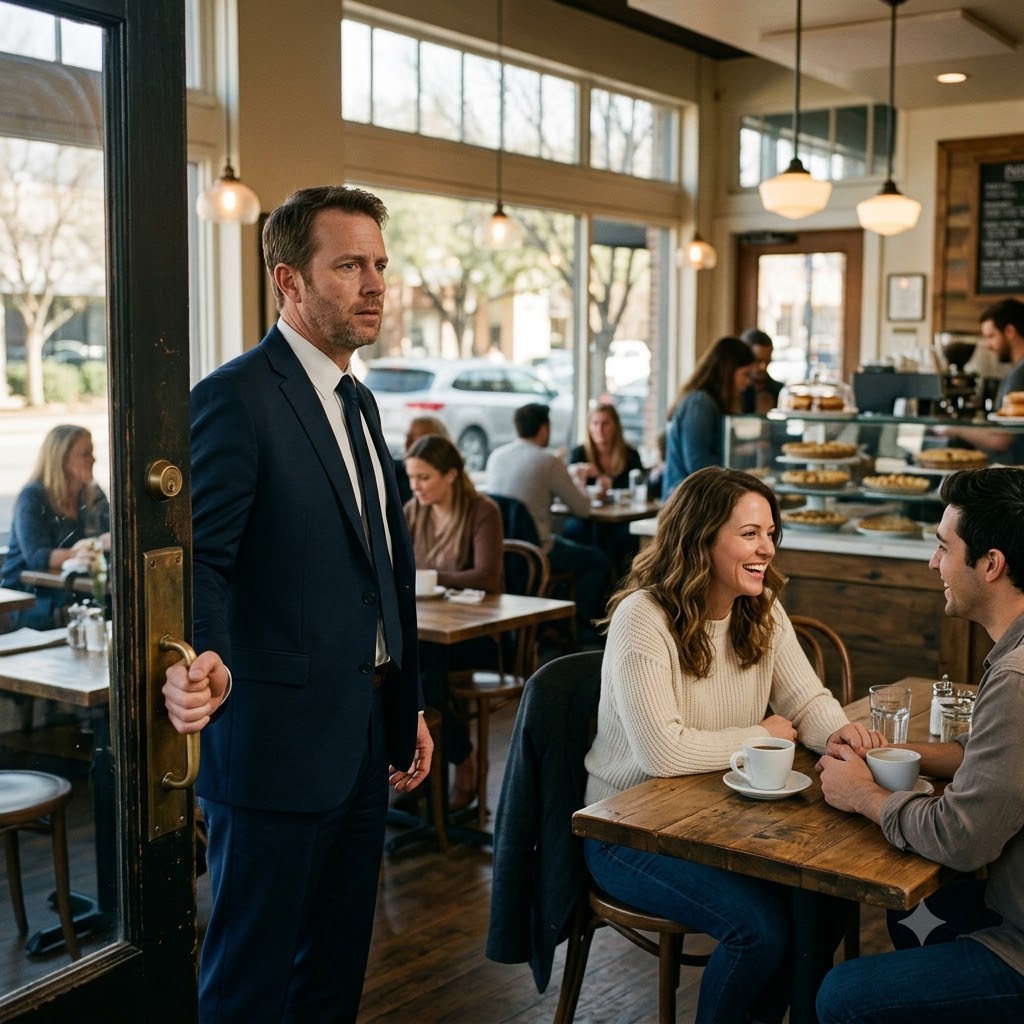
In 2013, I returned to San Diego. I figured enough time had passed. I got a job at a small shipyard near the port where no one asked questions about my past. I worked hard and slowly rebuilt a life. That’s where I met Rebecca. She was a regular at a nearby coffee shop. She was warm, kind, and best of all, she didn’t pry into my history. We started talking, grew close, and eventually I told her a simple story: I was a private guy who had come to America years ago and just wanted stability. She accepted it.
By 2015, Rebecca and I moved in together in a small house in the suburbs. I lived as Daniel Brooks—paying taxes, working, volunteering in the community. I started to believe I could outrun what I’d done. I never told Rebecca about Hannah, about that night, or the grave hidden in the desert. I couldn’t. Losing her would mean losing everything. But the guilt never left. Some nights I lay awake writing letters to Hannah in my head—letters full of apologies I could never send.
( End of Part 1 )
Read Part 2 of the story in the first comment below 👇👇👇
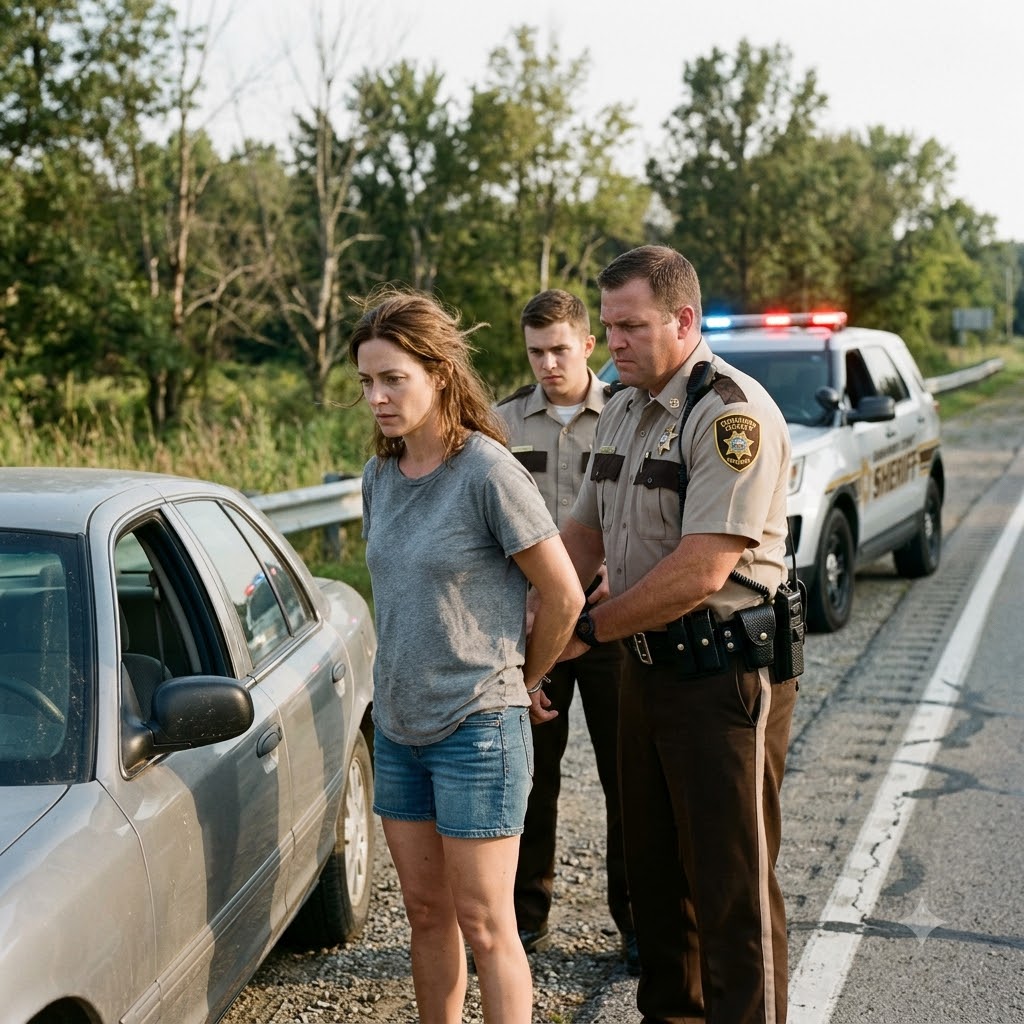
And then one day, everything came crashing down. A Vietnamese-American college student in Seattle saw a photo of me on Rebecca’s Facebook. She recognized me from old missing persons articles and noticed the small scar on my left temple—the one I could never hide. She contacted the FBI. They investigated, matched my fingerprints and DNA at 99% certainty, and one morning they knocked on our door. There was nowhere left to run.
At the police station, I told them everything. I confessed about the argument, the push, the fall, how I buried Hannah, and how I’d lived under a false identity for over a decade. I admitted I lost control for one terrible moment and had regretted it every single day since. When the investigators asked me to lead them to the grave, I agreed immediately. I took them out into that lonely stretch of desert. As they uncovered the last layer of earth, I couldn’t watch. I just broke down, sobbing apologies that came eleven years too late.
My trial began in 2021. The prosecutor charged me with manslaughter, concealment of a body, and identity fraud. Hannah’s mother had flown in from out of state. She sat in the courtroom with years of pain etched on her face. She had waited eleven years for answers. When I was allowed to speak, I stood up and took full responsibility. I told the court I wasn’t asking for forgiveness, but I wanted them to know Hannah’s death was a tragic accident. Running and hiding had been the biggest mistake of my life. I also said I had never stopped regretting what I’d done or missing her.
After days of testimony, the jury found me guilty of manslaughter, concealment of a body, and fraud—but not premeditated murder. The judge sentenced me to eight years in prison. I didn’t blame him. I had earned every day of it.
But something unexpected happened. Despite everything, Rebecca still came to visit me during those first difficult months. She said she believed people could change. Her support became the one light I had left.
While serving my time, I joined rehabilitation programs, learned new skills, and even taught computer classes to other inmates. I wrote to Hannah’s mother—not begging for forgiveness, but explaining what really happened from my perspective. I told her that if I could go back to that night, I would have handled everything differently. At first there was no reply, but eventually she started writing back. Over time, her anger slowly turned into shared grief, and then into a painful but real forgiveness.
After serving most of my sentence with good behavior, I was released early. Rebecca was waiting for me outside the prison gates. We started a new life together with complete honesty. I found work at a family counseling center, where I now share my story as a warning to couples: anger can destroy everything in a single moment, but calm and listening can save it.
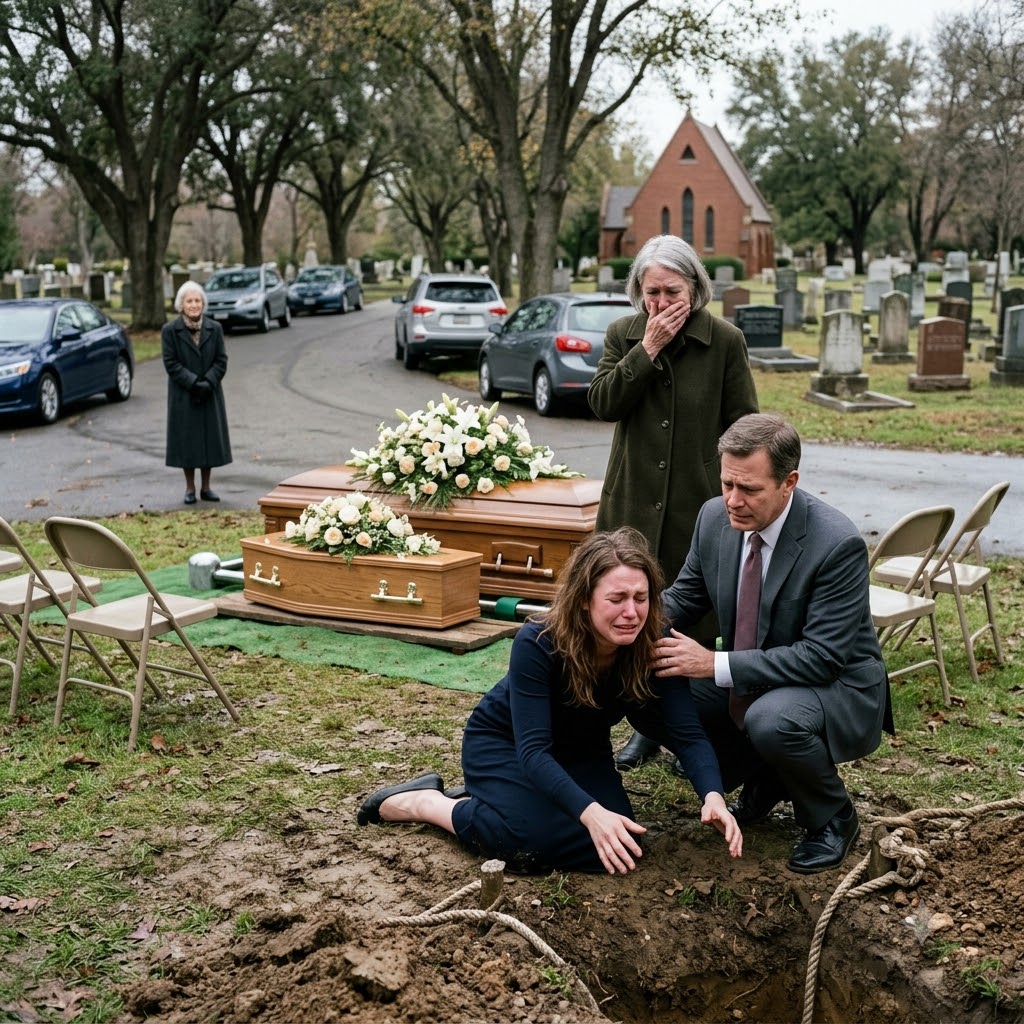
Rebecca and I got married and adopted a young boy we named David. I raise him with the patience and self-control I learned the hardest way possible. Every year on May 22nd, I visit Hannah’s grave with flowers. I never miss that day—it’s my permanent reminder of the life I took and the responsibility I carry.
We also established a scholarship fund in Hannah’s name to help students pursuing degrees in finance—the field she loved. It’s not just about remembering her. It’s about turning the worst night of my life into something that creates good.
Now, at forty-nine years old, I’ve learned something I wish I had known sixteen years ago: forgiveness isn’t about erasing pain—it’s about choosing not to let the past chain you forever. The person who forgives finds peace, and the person forgiven gets a chance to become better. I can’t bring Hannah back. I can’t undo that night. But I can live the rest of my life with honesty, accountability, and gratitude—so that her death wasn’t completely in vain. That’s the only thing left I can do. And it’s how I plan to spend every day I have left.